
Understanding the pharmaceutical landscape of veterinary medicine requires a clear distinction between active chemical compounds and the commercial brands that distribute them. When livestock owners or equine managers evaluate antiparasitic treatments, a frequent point of inquiry arises: is Bimectin the same as ivermectin? To address this accurately, one must recognize that ivermectin is the foundational active ingredient, while Bimectin is a specific brand-name formulation manufactured by Bimeda. While the primary chemical agent remains the same, the efficacy, concentration, and inactive ingredients may vary between different commercial products.
Is Bimectin the Same as Ivermectin? A Comprehensive Guide
Ivermectin revolutionized the field of parasitology upon its discovery, offering a broad-spectrum solution for internal and external parasites in various species. Bimectin, as one of the most recognized trade names in the agricultural sector, utilizes this molecule to provide targeted relief for cattle, horses, and swine. This article explores the pharmacological relationship between the two, the nuances of different formulations, and the critical safety protocols necessary for effective parasite management in a professional veterinary context.
Table of Contents
The Scientific Relationship: Is Bimectin the Same as Ivermectin?
In the pharmaceutical industry, drugs are identified by two names: the generic name and the trade name. Ivermectin is the generic name for a macrocyclic lactone derivative derived from the bacterium Streptomyces avermitilis. Bimectin is a brand name for a line of products that contain ivermectin as the sole active pharmaceutical ingredient (API). Therefore, when asking if they are the same, the answer is that Bimectin is a specific delivery system for the ivermectin molecule.
The distinction is important because while the active molecule is identical, the “vehicle”—the inactive ingredients that carry the drug—can differ. These excipients influence the product’s shelf life, ease of administration, and absorption rate within the animal’s bloodstream. Bimectin is formulated to meet specific bioequivalence standards, ensuring that it performs with the same clinical efficacy as the original pioneer brand of ivermectin.
Pharmacology and Mechanism of Action
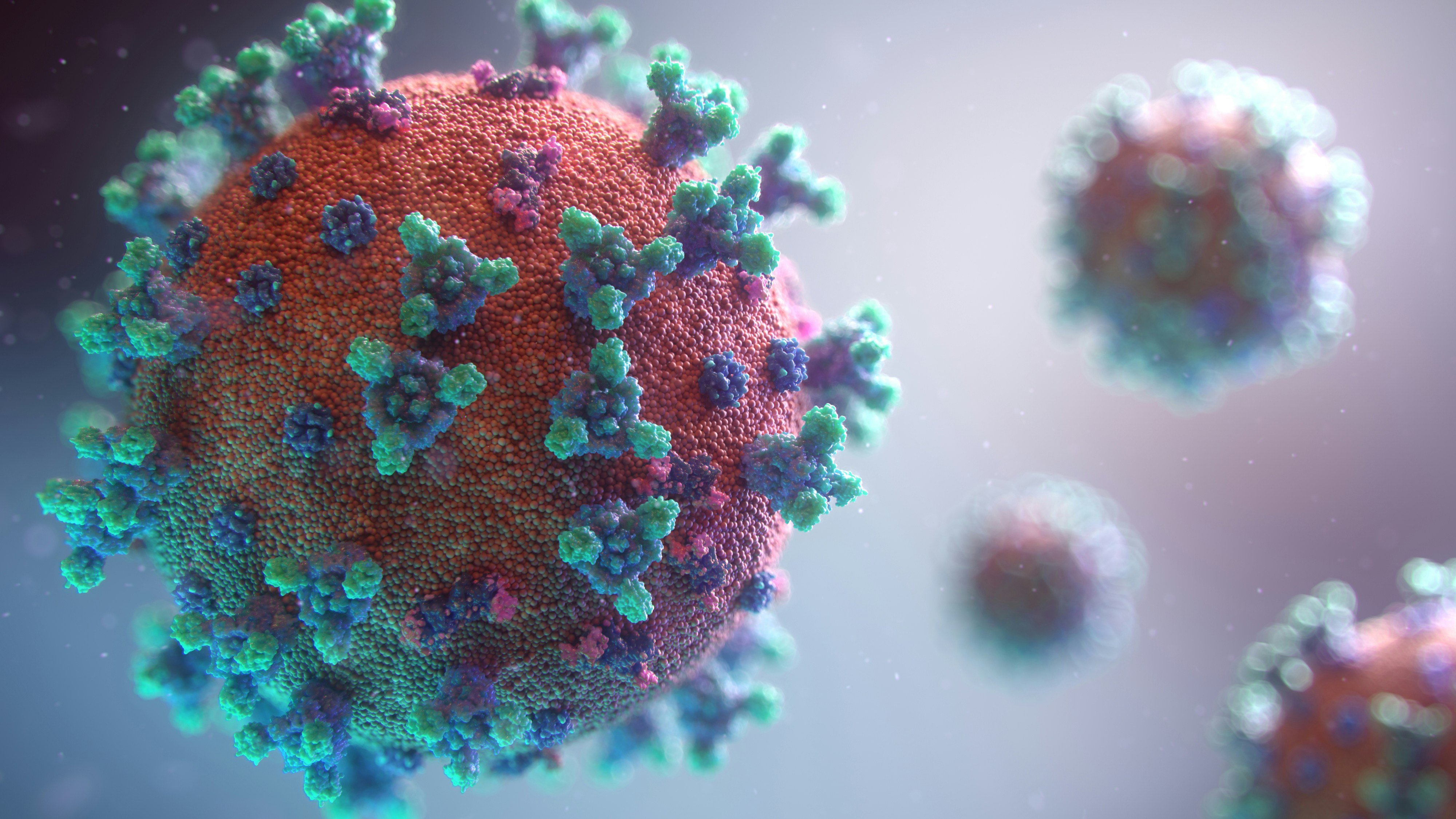
Ivermectin works by interfering with the nervous system and muscle function of parasites. Specifically, it binds to glutamate-gated chloride channels, which are common in invertebrate nerve and muscle cells. This binding increases the permeability of the cell membrane to chloride ions, leading to hyperpolarization of the nerve or muscle cell. The resulting paralysis eventually leads to the death of the parasite.
Target Parasites and Spectrum of Activity
Bimectin is highly effective against a wide range of parasites that compromise animal health and productivity. The spectrum typically includes:
- Gastrointestinal roundworms: Including Ostertagia ostertagi and Haemonchus placei.
- Lungworms: Specifically Dictyocaulus viviparus.
- Ectoparasites: Such as sucking lice, mites, and cattle grubs.
- Equine Bots: Effective against Gasterophilus species in horses.
Comparing Bimectin and Other Ivermectin Formulations
Bimectin is available in several forms, each designed for a specific route of administration. Choosing the correct formulation is essential for achieving the therapeutic window necessary to clear an infestation. The table below compares common ivermectin brands to illustrate how Bimectin fits into the market.
| Product Name | Active Ingredient | Manufacturer | Primary Use Cases |
|---|---|---|---|
| Bimectin Paste | Ivermectin 1.87% | Bimeda | Equine oral administration |
| Ivomec | Ivermectin 1% | Boehringer Ingelheim | Cattle and swine injection |
| Bimectin Pour-On | Ivermectin 0.5% | Bimeda | Topical cattle treatment |
| Eqvalan | Ivermectin 1.87% | Boehringer Ingelheim | Equine parasite control |
While the concentration of ivermectin in Bimectin equine paste is 1.87%, the same as in Eqvalan, the choice often comes down to palatability and syringe design. For cattle, the choice between an injectable and a pour-on formulation depends on the specific parasites targeted; pour-ons are often preferred for external parasites, while injectables may provide more precise internal dosing.
Safety and Regulatory Considerations
The safety of ivermectin-based products like Bimectin is well-documented when used according to label instructions. However, it is vital to adhere to strict withdrawal periods. Withdrawal periods are the minimum time that must pass between the last treatment and the slaughter of the animal for human consumption, or the use of its milk. This ensures that chemical residues do not enter the human food chain.
| Feature | Bimectin Specification |
|---|---|
| Drug Class | Macrocyclic Lactone |
| Administration Routes | Oral, Injectable, Topical |
| Storage Temperature | 68°F to 77°F (20°C to 25°C) |
| Target Species | Horses, Cattle, Swine, Sheep |
A critical safety warning involves the use of veterinary-grade ivermectin in humans. Bimectin and similar products are formulated specifically for animals. The concentrations and inactive ingredients in animal dewormers are not tested or approved for human use and can be toxic. Always consult a medical professional for human health concerns and a veterinarian for animal health concerns.
Key Takeaways
- Bimectin is a brand of ivermectin; the active ingredient is the same, but the manufacturer is Bimeda.
- Ivermectin functions by paralyzing the nervous system of invertebrates.
- Bioequivalence ensures that Bimectin performs similarly to other leading ivermectin brands.
- Always follow weight-based dosing to prevent sub-therapeutic levels which can lead to parasite resistance.
- Strict adherence to withdrawal periods is mandatory for food-producing animals.
Frequently Asked Questions
Can I use Bimectin for my dog?
You should never use Bimectin intended for horses or cattle on dogs. Many dog breeds, especially Collies and related breeds, have a genetic sensitivity (MDR1 mutation) to ivermectin that can be fatal. Only use ivermectin products specifically labeled for canine use and prescribed by a veterinarian.
Is Bimectin more effective than other brands?
Clinical studies generally show that products with the same concentration of ivermectin and approved bioequivalence provide similar results. The “effectiveness” often depends more on the accuracy of the dose administered and the resistance levels of the local parasite population than the brand name itself.
Does Bimectin treat ticks?
While ivermectin has some effect on certain tick species, it is not primarily labeled as a primary acaricide for tick control in all regions. It is most effective against mites, lice, and internal nematodes. For heavy tick infestations, a product specifically designed for ticks may be required.
What is the shelf life of Bimectin?
Most Bimectin products have a shelf life of approximately 24 months when stored correctly. It should be kept away from direct sunlight and maintained at room temperature. Always check the expiration date on the individual packaging before administration to ensure potency.
This article is written for educational purposes only and does not constitute medical advice. Always consult a licensed healthcare provider before starting any treatment. TexMed pharmacists are available for consultations via the online questionnaire process.
Leave a Reply