
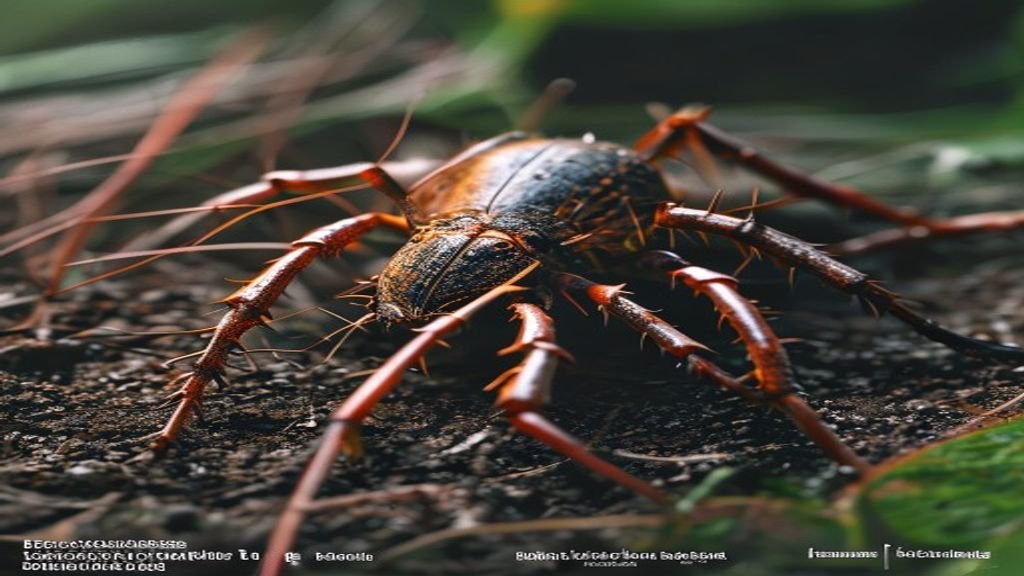
The efficacy of antiparasitic medications remains a critical topic in both veterinary medicine and public health, particularly as the prevalence of tick-borne illnesses continues to rise globally. One question that frequently arises among pet owners, livestock producers, and even some medical researchers is: Does ivermectin kill ticks? Ivermectin, a Nobel Prize-winning drug belonging to the macrocyclic lactone class, has been a cornerstone of parasite control since the late 1970s. While it is widely celebrated for its ability to eradicate internal nematodes and certain external parasites like mites and lice, its relationship with ticks is more complex. Ivermectin does indeed possess acaricidal properties, meaning it can kill ticks, but its effectiveness is highly dependent on the dosage, the method of delivery, and the specific tick species targeted. Unlike topical “spot-on” treatments that kill on contact, ivermectin typically requires the tick to ingest the drug through a blood meal. This systemic approach introduces various pharmacological variables that determine whether the drug serves as a reliable preventative or a secondary defense mechanism.
Does Ivermectin Kill Ticks? A Scientific Review of Its Efficacy
The Biological Mechanism: How Ivermectin Affects Ticks
Ivermectin functions by disrupting the nervous system of invertebrates. Specifically, it binds with high affinity to glutamate-gated chloride channels, which are found in the nerve and muscle cells of parasites. This binding increases the permeability of the cell membrane to chloride ions, causing a state of hyperpolarization. In ticks, this translates to flaccid paralysis of the pharyngeal pump and the musculature required for feeding and attachment.
Because ivermectin is often administered orally or via injection, it circulates within the host’s bloodstream. For the drug to take effect, the tick must bite the host and begin its blood meal. Once the tick ingests the ivermectin-laden blood, the compound begins to interfere with its physiological functions. While the drug may not cause instantaneous death, it frequently inhibits the tick’s ability to complete its feeding cycle, molt, or reproduce, effectively breaking the parasite’s life cycle.

Potency and Timing of the Acaricidal Effect
The speed at which ivermectin kills ticks is generally slower than that of synthetic pyrethroids or isoxazolines. Studies have shown that while ivermectin can reduce tick populations on cattle and dogs, the concentration in the blood must remain high enough to be lethal. If the dosage is too low, the tick may experience sub-lethal effects, such as reduced egg-laying capacity, rather than immediate mortality.
Veterinary Applications and Tick Management
In the realm of animal health, ivermectin is a standard tool for managing ectoparasites. It is most commonly used in cattle, sheep, and swine to control “bont” ticks and other species that cause significant economic loss. For livestock, ivermectin is frequently delivered through slow-release boluses or subcutaneous injections to maintain a steady systemic level of the drug.
Companion Animal Usage
For dogs and cats, ivermectin is primarily used for heartworm prevention. While it does provide some protection against ticks, many veterinarians prefer specialized acaricides like fipronil or fluralaner. These alternatives often offer faster “knockdown” times, which is essential for preventing the transmission of pathogens like Borrelia burgdorferi (Lyme disease) or Rickettsia rickettsii.
| Tick Species | Primary Host | Ivermectin Efficacy | Primary Effect |
|---|---|---|---|
| Rhipicephalus microplus | Cattle | High | Mortality and reduced fecundity |
| Amblyomma americanum | Diverse Mammals | Moderate | Inhibition of attachment |
| Ixodes scapularis | Deer, Rodents, Dogs | Variable | Systemic mortality over 48-72 hours |
| Dermacentor variabilis | Dogs, Humans | Low to Moderate | Requires high systemic dosage |
Human Use and Clinical Limitations
While ivermectin is FDA-approved for treating specific conditions in humans—such as strongyloidiasis and onchocerciasis—it is not currently approved as a primary treatment or prophylactic for ticks. The question of whether ivermectin kills ticks in a human context is often discussed in the study of “endectocides” for malaria control, where treating humans with ivermectin can kill the mosquitoes that bite them. Similar logic has been applied to ticks, but clinical trials are limited.
The primary barrier to using ivermectin as a tick killer in humans is the required dosage. To achieve the same level of tick mortality seen in veterinary applications, the dosage in humans would need to be carefully monitored to avoid neurotoxicity. Current evidence suggests that while a standard dose might have some effect on a biting tick, it should not be relied upon as a substitute for traditional tick prevention methods like DEET or permethrin-treated clothing.
Comparative Efficacy Against Other Acaricides
To understand the value of ivermectin, it is helpful to compare it to other common agents used in the fight against ticks. Each class of drug has a different “mode of entry” and “speed of kill.”
| Feature | Ivermectin | Permethrin | Isoxazolines (e.g., Bravecto) |
|---|---|---|---|
| Mode of Action | Systemic (Ingested) | Contact (Topical) | Systemic (Ingested/Topical) |
| Primary Target | Nerve/Muscle Channels | Sodium Channels | GABA-gated Channels |
| Speed of Kill | Slow (24-78 hours) | Fast (Minutes to Hours) | Fast (8-12 hours) |
| Residual Effect | Short to Medium | Long (on fabric) | Very Long (up to 12 weeks) |
Safety Profiles and Emerging Resistance
As with any pharmaceutical, safety is paramount. In certain dog breeds, specifically those with the MDR1 (ABCB1) genetic mutation (such as Collies and Australian Shepherds), ivermectin can cross the blood-brain barrier and cause severe, potentially fatal, neurological symptoms. Furthermore, the overuse of ivermectin in the livestock industry has led to documented cases of tick resistance. Parasite populations that are repeatedly exposed to sub-lethal doses can develop genetic variations that render the drug ineffective, necessitating a rotation of different chemical classes.
Key Takeaways
- Ivermectin is an effective acaricide but primarily works systemically through the ingestion of blood.
- It is highly effective for livestock but often considered a secondary option for companion animals compared to newer classes like isoxazolines.
- The drug’s impact is often “slow-kill,” meaning it may not prevent initial pathogen transmission during the first few hours of attachment.
- Genetic factors, such as the MDR1 mutation in dogs, must be considered before administration.
- It is not a replacement for physical barriers and topical repellents in human tick prevention strategies.
Frequently Asked Questions
Does ivermectin kill ticks on contact?
No, ivermectin is not a contact killer. Unlike permethrin, which affects the tick when it crawls over a treated surface, ivermectin must be ingested by the tick during a blood meal to interfere with its nervous system.
How long does it take for ivermectin to kill a tick?
Once a tick ingests blood containing ivermectin, death typically occurs within 24 to 72 hours. However, the tick may stop feeding or become paralyzed much sooner, which can reduce the likelihood of it transmitting certain diseases.
Can I use ivermectin to treat a tick bite on myself?
You should not use ivermectin to treat or prevent tick bites unless specifically prescribed by a healthcare professional for an approved condition. There is currently no FDA approval for ivermectin as a tick repellent or tick-killing medication in humans.
Is ivermectin effective against all types of ticks?
Ivermectin shows varying degrees of efficacy across different species. It is highly effective against many livestock ticks, such as the cattle tick, but may be less effective against certain hard-bodied ticks like the Lone Star tick without very high dosages.
This article is written for educational purposes only and does not constitute medical advice. Always consult a licensed healthcare provider before starting any treatment. TexMed pharmacists are available for consultations via the online questionnaire process.
Leave a Reply