

The management of canine heartworm disease, caused by the parasite Dirofilaria immitis, remains a critical pillar of veterinary preventative medicine. As pet owners navigate the complexities of pharmacological interventions, a recurring question emerges: will ivermectin kill heartworms? While ivermectin has been a cornerstone of veterinary parasitology since its introduction, its efficacy is highly dependent on the developmental stage of the parasite. In a clinical context, ivermectin is classified as a macrocyclic lactone primarily used for prophylaxis rather than as a primary adulticide. Understanding the distinction between clearing larval stages and eliminating mature, dwelling adult worms is vital for responsible pet ownership and clinical success. Misunderstanding how this drug interacts with the heartworm life cycle can lead to inadequate treatment, prolonged pulmonary damage, and the potential for developing drug-resistant parasite strains. This article examines the pharmacological mechanism of ivermectin, its limitations regarding adult heartworms, and the significant risks associated with “off-label” use for active infections.
The Mechanism of Action: How Ivermectin Works
Ivermectin functions by enhancing the inhibitory neurotransmission within the nervous system of invertebrates. Specifically, it binds to glutamate-gated chloride channels, which are unique to parasites like nematodes and arthropods. This binding increases the permeability of the cell membrane to chloride ions, leading to hyperpolarization of the nerve and muscle cells.
The result of this process is the paralysis and eventual death of the parasite. In the context of heartworm prevention, ivermectin targets the third and fourth larval stages (L3 and L4) that are transmitted to the host via mosquito bites. Because these larvae are highly sensitive to low doses of the drug, monthly administration effectively prevents them from maturing into adult heartworms.
The Susceptibility Gap
There is a specific window of time, often referred to as the susceptibility gap, where heartworms transition from larvae to young adults. During this transition, the parasites become significantly more resistant to macrocyclic lactones. This is why strict adherence to a monthly schedule is imperative for the drug to remain effective as a preventative measure.

Will Ivermectin Kill Heartworms in All Life Stages?
The answer to whether will ivermectin kill heartworms depends entirely on the age of the worm. While it is nearly 100% effective against tissue-stage larvae, its impact on adult heartworms is considerably more nuanced. Ivermectin does not provide the rapid “kill” necessary to clear a mature infestation safely or efficiently.
Adult heartworms can live for five to seven years in the heart and pulmonary arteries of a dog. While continuous, long-term administration of ivermectin can eventually shorten the lifespan of these adults, it does not achieve the immediate elimination provided by an adulticide like melarsomine dihydrochloride. This lack of immediate action allows the adult worms to continue causing irreparable damage to the heart and lungs.
| Heartworm Stage | Ivermectin Efficacy | Clinical Impact |
|---|---|---|
| Microfilariae (L1) | High | Reduces transmission to mosquitoes. |
| Larvae (L3/L4) | Exceptional | Primary use for monthly prevention. |
| Juvenile/Adults | Low/Slow | Does not effectively clear active infections. |
The “Slow Kill” Method and Clinical Risks
In some scenarios, veterinarians may discuss a “slow kill” or “soft kill” approach, which involves the continuous use of preventative doses of ivermectin in heartworm-positive dogs. While this may eventually reduce the worm burden, the American Heartworm Society (AHS) generally advises against this as a primary treatment strategy.
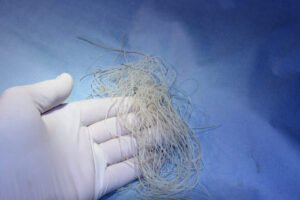
The primary concern with the slow kill method is the progression of pathology. As long as adult worms remain in the pulmonary arteries, they cause chronic inflammation, arterial thickening, and potential right-sided heart failure. Furthermore, exposing adult worms to sub-lethal doses of ivermectin for years contributes to the selection of drug-resistant heartworm populations.
Comparison of Treatment Strategies
| Feature | Adulticide (Melarsomine) | Slow Kill (Ivermectin) |
|---|---|---|
| Time to Clear | 60–90 Days | 1–2 Years |
| Organ Damage | Minimized via rapid clearing | Continues during treatment |
| AHS Recommended | Yes (Gold Standard) | No (Only if alternatives fail) |
Safety Considerations and Breed Sensitivities
Ivermectin is generally safe at the low dosages found in heartworm preventatives. However, certain breeds possess a genetic mutation in the ABCB1 gene (formerly known as the MDR1 gene). This mutation prevents the P-glycoprotein from effectively pumping drugs out of the central nervous system, leading to ivermectin toxicity.
Breeds most commonly affected include Collies, Australian Shepherds, and Shetland Sheepdogs. In these dogs, even moderate doses can lead to neurological symptoms such as tremors, ataxia, and hypersalivation. It is essential to consult a veterinarian for genetic testing or alternative preventatives if your dog belongs to a susceptible breed.
Key Takeaways for Pet Owners
- Ivermectin is a preventative: It is designed to kill larvae before they become adults, not to treat an existing adult infection.
- Slow kill is risky: Using ivermectin to clear adult worms allows ongoing damage to the heart and lungs and may foster drug resistance.
- Dosage matters: The concentration used in preventatives is vastly different from the concentration required to impact adult worms.
- Consult a professional: Always perform a heartworm test before starting or restarting ivermectin to avoid complications from microfilariae death.
Frequently Asked Questions
Does ivermectin kill adult heartworms instantly?
No, ivermectin does not kill adult heartworms instantly. It is highly effective against larval stages, but adult worms are resistant to standard preventative doses. If used long-term, it may shorten their lifespan, but it is not an efficient adulticide.
Can I give my heartworm-positive dog ivermectin?
You should only give a heartworm-positive dog ivermectin under the direct supervision of a veterinarian. Rapidly killing a large number of microfilariae (baby heartworms) can sometimes trigger a shock-like reaction in the dog.
Is ivermectin the best choice for heartworm prevention?
Ivermectin is one of several highly effective macrocyclic lactones. While it is the active ingredient in many popular brands, the “best” choice depends on your dog’s breed, lifestyle, and potential genetic sensitivities like the MDR1 mutation.
What happens if I miss a dose of ivermectin?
Missing a dose creates a window where larvae can mature into the resistant juvenile stage. If a dose is missed by more than two weeks, consult your veterinarian for testing and a revised prevention schedule to ensure your dog remains protected.
This article is written for educational purposes only and does not constitute medical advice. Always consult a licensed healthcare provider before starting any treatment. TexMed pharmacists are available for consultations via the online questionnaire process.
Leave a Reply