

Toenail fungus, clinically known as onychomycosis, is a persistent dermatological condition characterized by thickened, discolored, and brittle nails. Because conventional treatments often require months of adherence, many patients search for alternative or off-label pharmaceutical solutions. One common question that arises in online medical forums and patient discussions is: will ivermectin kill toenail fungus? Ivermectin has gained global recognition as a potent antiparasitic agent, effectively treating conditions like scabies, head lice, and river blindness. However, the biological mechanisms that make it effective against multicellular parasites do not translate to the fungal kingdom.
The confusion regarding ivermectin’s efficacy often stems from its success in treating skin conditions that mimic fungal infections. To understand why ivermectin is not a viable solution for toenail fungus, one must examine the specific cellular targets of the drug. While ivermectin disrupts the nervous system of invertebrates, fungal organisms like Trichophyton rubrum possess entirely different cellular structures and metabolic pathways. This article provides a comprehensive analysis of why ivermectin fails to eradicate onychomycosis and outlines the clinically proven antifungal strategies that dermatologists recommend for lasting relief. By prioritizing evidence-based medicine, patients can avoid the risks of unnecessary medication and focus on treatments that target the root cause of nail infections.
Will Ivermectin Kill Toenail Fungus? A Scientific Review
Understanding the Pharmacological Profile of Ivermectin
Ivermectin belongs to the class of medications known as avermectins. Its primary function is to bind to glutamate-gated chloride channels, which are prevalent in the nerve and muscle cells of many parasites. When the drug binds to these channels, it increases the permeability of the cell membrane to chloride ions, leading to hyperpolarization and eventually the paralysis and death of the parasite.
This mechanism of action is highly specific to certain invertebrates. Humans and other mammals are generally protected from these effects because our equivalent channels are located within the central nervous system, which is shielded by the blood-brain barrier. Because ivermectin is designed to target neurological and muscular functions, it has no physiological impact on fungi, which lack these biological systems entirely.
The Distinction Between Parasitic and Fungal Pathogens
To understand why the answer to “will ivermectin kill toenail fungus” is a definitive no, it is helpful to compare the biology of the targets. Onychomycosis is caused by dermatophytes, yeasts, or molds. These are fungal organisms that thrive on keratin, the primary protein in hair and nails. Unlike parasites, fungi do not have nervous systems or muscle fibers.
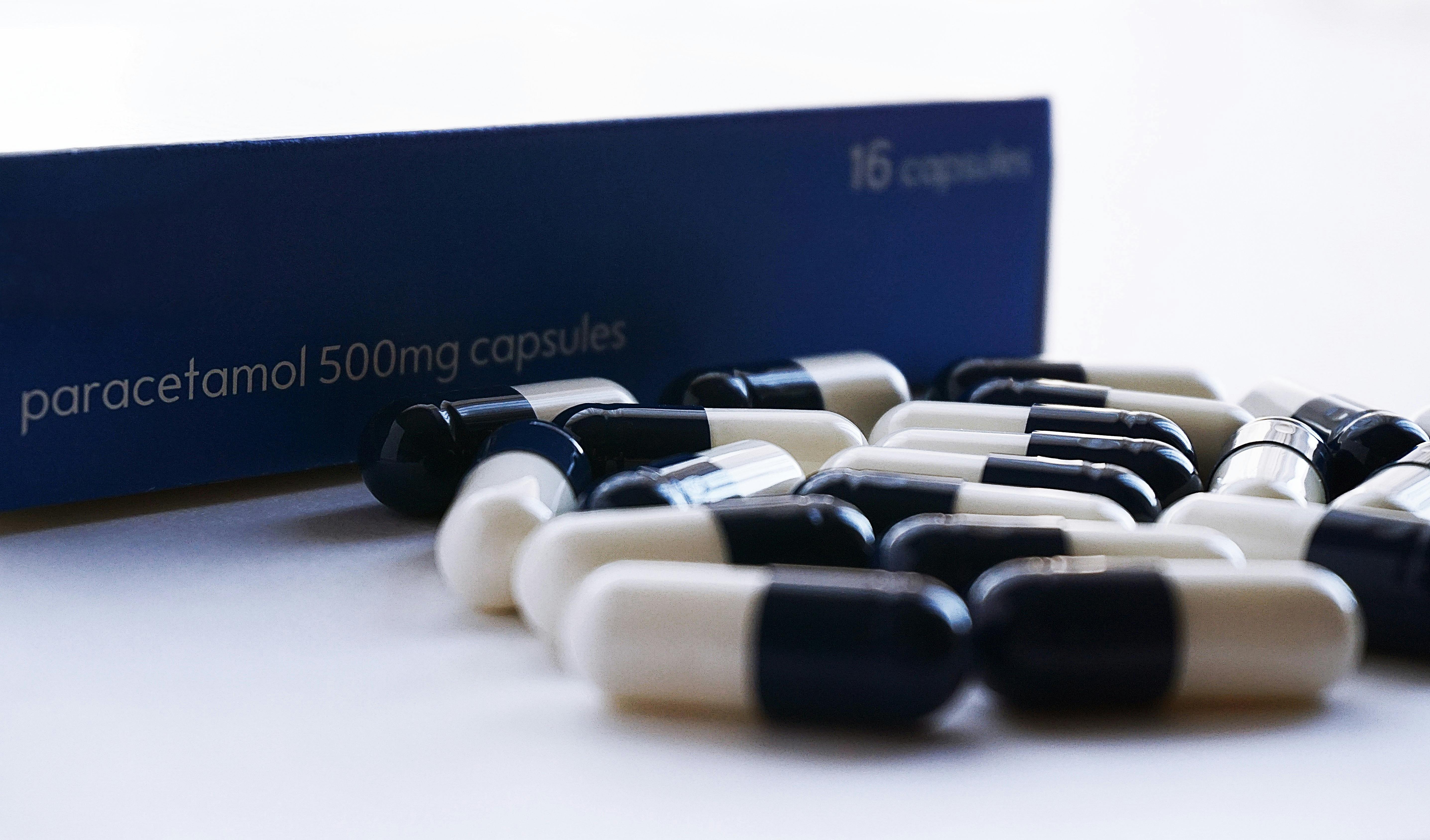
Why Chemical Selectivity Matters in Treatment
Antifungal medications, such as terbinafine or itraconazole, work by inhibiting the synthesis of ergosterol. Ergosterol is a vital component of the fungal cell membrane, serving a similar role to cholesterol in human cells. By disrupting this synthesis, antifungals cause the fungal cell membrane to become leaky, leading to cell death. Because ivermectin does not interfere with ergosterol synthesis or any other fungal metabolic pathway, it remains inert against toenail fungus.
| Feature | Ivermectin (Antiparasitic) | Terbinafine (Antifungal) |
|---|---|---|
| Primary Target | Glutamate-gated chloride channels | Squalene epoxidase (enzyme) |
| Organism Type | Nematodes, Arthropods | Dermatophytes, Yeasts, Molds |
| Primary Use Case | Scabies, Rosacea, Parasitic worms | Toenail fungus, Athlete’s foot |
| Effect on Fungi | None | Inhibits cell membrane growth |
Proven Clinical Alternatives for Onychomycosis
If you are struggling with a persistent nail infection, it is essential to utilize treatments specifically formulated for fungal pathogens. Treatment protocols are generally divided into topical applications, oral systemic medications, and physical interventions. Oral antifungals are often considered the gold standard for moderate to severe cases due to their ability to reach the nail bed through the bloodstream.
Topical treatments, while safer for individuals with liver concerns, often struggle to penetrate the dense keratin of the nail plate. In some instances, a combination of mechanical debridement and chemical treatment is necessary to achieve a cure. The following table summarizes the most common medical approaches for treating toenail fungus effectively.
| Treatment Modality | Common Medications | Typical Duration | Efficacy Level |
|---|---|---|---|
| Oral Therapy | Terbinafine, Itraconazole | 12 Weeks | High |
| Topical Lacquers | Ciclopirox, Amorolfine | 6–12 Months | Moderate |
| Prescription Solutions | Efinaconazole, Tavaborole | 48 Weeks | Moderate to High |
| Laser Therapy | Nd:YAG Laser | 3–5 Sessions | Variable |
Key Takeaways for Managing Nail Health
- Ivermectin is not an antifungal: It is designed to treat parasitic infestations and has no biochemical effect on the fungi that cause onychomycosis.
- Diagnosis is critical: Many nail conditions, such as psoriasis or trauma, can look like fungus. A professional diagnosis via a KOH test or fungal culture is necessary before starting treatment.
- Persistence is required: Because toenails grow slowly, it can take 6 to 12 months to see the full results of any antifungal therapy.
- Avoid self-medication: Using off-label drugs like ivermectin for fungus can delay proper treatment and may lead to unnecessary side effects.
Frequently Asked Questions
Can Ivermectin be used for any skin condition?
Yes, ivermectin is FDA-approved for specific skin conditions like rosacea and scabies. In these cases, it targets the Demodex mites or Sarcoptes scabiei parasites involved in the pathology. It is not approved for, nor effective against, skin or nail infections caused by fungi.
Why do some people claim ivermectin helped their nails?
In most cases, these claims are anecdotal and likely result from a misdiagnosis. If a patient actually had a parasitic infection that affected the skin around the nail, ivermectin would resolve that issue, leading the patient to believe it cured a “fungus.” Additionally, some conditions may improve spontaneously or through improved hygiene coinciding with the medication.
What are the risks of taking ivermectin unnecessarily?
While ivermectin is generally safe when prescribed correctly, unnecessary use can lead to side effects such as dizziness, nausea, and digestive upset. Furthermore, using the wrong medication allows the fungal infection to progress, potentially leading to permanent nail deformity or secondary bacterial infections.
Is there a “natural” version of ivermectin for fungus?
No. Ivermectin is a specific chemical compound derived from the bacterium Streptomyces avermitilis. There are no natural alternatives that share its specific antiparasitic mechanism while also acting as an antifungal. Natural antifungal options usually involve tea tree oil or vinegar soaks, though these are significantly less effective than prescription medications.
This article is written for educational purposes only and does not constitute medical advice. Always consult a licensed healthcare provider before starting any treatment. TexMed pharmacists are available for consultations via the online questionnaire process.
Leave a Reply