

Human Papillomavirus (HPV) remains the most prevalent sexually transmitted infection globally, affecting a significant majority of the adult population at some point in their lives. While most HPV infections are cleared by the immune system without intervention, persistent high-risk genotypes can lead to cellular changes, including cervical, anal, and oropharyngeal cancers. In recent years, public interest has surged regarding the potential repurposing of existing drugs to combat viral pathogens. Specifically, many individuals are asking, will ivermectin kill hpv, following reports of its broad-spectrum antimicrobial properties in laboratory settings. Understanding the distinction between in vitro efficacy and clinical application is essential for patients seeking evidence-based treatments.
Will Ivermectin Kill HPV? Examining the Scientific Evidence
Understanding the Potential: Will Ivermectin Kill HPV?
Ivermectin is an FDA-approved antiparasitic agent that has successfully treated millions of cases of onchocerciasis and strongyloidiasis. Its recent emergence in the conversation surrounding viral infections stems from its ability to inhibit certain intracellular processes. When investigating whether will ivermectin kill hpv, it is crucial to recognize that HPV is a non-enveloped DNA virus that replicates within the nucleus of epithelial cells. Unlike parasites, which are complex multicellular or unicellular organisms, viruses rely entirely on host cell machinery for survival and replication.
Recent studies in molecular biology have suggested that ivermectin may possess antiviral properties by targeting specific transport proteins within the human cell. These proteins, known as importins, act as “gatekeepers” that allow viral proteins to enter the nucleus. If these pathways are blocked, the virus may be unable to replicate its genetic material or interfere with the host’s immune response. However, the concentration required to achieve this in a laboratory “petri dish” often far exceeds the dosage that can safely be achieved in the human bloodstream.
The Role of Nuclear Import in Viral Replication
The primary mechanism by which ivermectin is theorized to impact viruses involves the inhibition of the Importin α/β1 heterodimer. Many viruses, including HPV, utilize this specific protein complex to ferry their viral proteins into the cell nucleus. Once inside, these proteins can suppress the host’s antiviral signaling and initiate the production of new viral particles. By binding to Importin α, ivermectin prevents this translocation, theoretically leaving the virus vulnerable to the cellular immune response.
Importin α/β Mediated Pathways
While the inhibition of nuclear import is a promising area of pharmacological research, it does not translate directly to “killing” the virus in a clinical sense. HPV often remains latent in the basal layers of the skin or mucosa. A drug that interferes with replication may reduce viral load, but it does not necessarily eradicate the viral DNA that has already integrated into the host genome. Consequently, claiming that ivermectin can “kill” HPV is a simplification that is currently unsupported by robust clinical trial data.
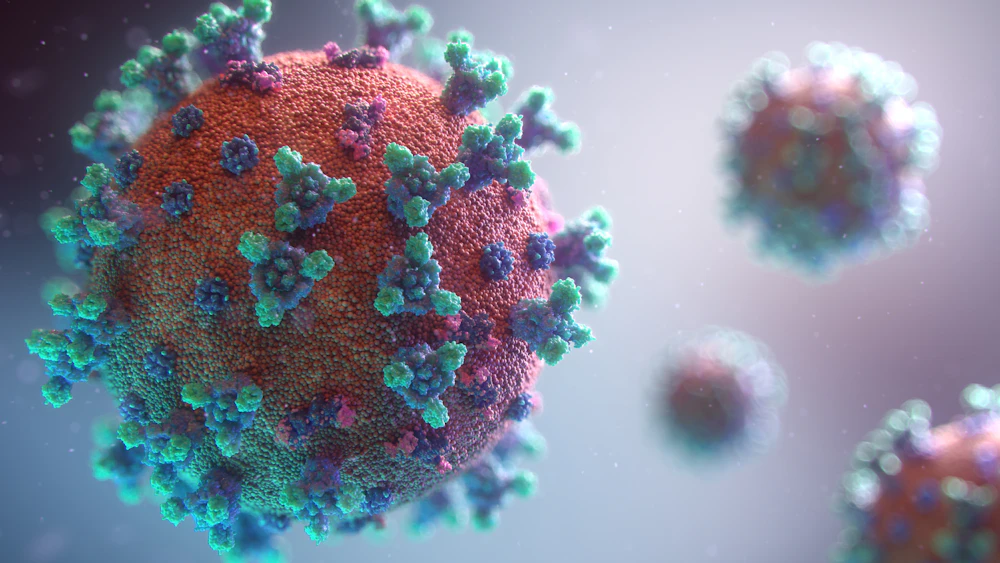
To better understand the challenges of treating HPV, we must examine the different categories of the virus. HPV is not a single entity but a group of over 200 related viruses. The medical approach depends heavily on whether the strain is considered “low-risk” or “high-risk.”
| HPV Category | Common Genotypes | Clinical Manifestations | Primary Health Risk |
|---|---|---|---|
| Low-Risk | 6, 11 | Anogenital warts (Condyloma) | Benign growths, psychological distress |
| High-Risk | 16, 18, 31, 45 | Asymptomatic, Cervical Dysplasia | Cervical, Anal, and Throat Cancers |
| Cutaneous | 1, 2, 4 | Common skin warts | Localized skin infection |
Clinical Reality vs. Laboratory Observations
The discrepancy between laboratory success and human efficacy is a common hurdle in drug development. In the case of ivermectin and HPV, there is a lack of peer-reviewed, double-blind, placebo-controlled human trials. Most of the hype surrounding the drug’s antiviral capabilities originates from in vitro (cell culture) studies. While these studies provide valuable insights into molecular biology, they do not account for human metabolism, drug distribution, or the complex environment of the human immune system.
Furthermore, the safety profile of ivermectin is well-established for its intended use as an antiparasitic. However, using it off-label in high doses to attempt viral clearance carries significant risks. Potential side effects include neurotoxicity, severe skin reactions, and gastrointestinal distress. Without specific clinical guidelines or dosage protocols for HPV, self-administration is highly discouraged by medical authorities such as the FDA and the World Health Organization (WHO).
Comparison of Current HPV Management Strategies
Since there is currently no proven pharmacological “cure” to eliminate HPV from the body entirely, medical management focuses on treating the symptoms (warts) and the cellular changes (dysplasia) caused by the virus. The following table compares standard medical interventions with the theoretical use of ivermectin.
| Treatment Method | Mechanism of Action | FDA Approved for HPV? | Primary Benefit |
|---|---|---|---|
| Imiquimod (Cream) | Immune response modifier | Yes | Clears external warts via local immunity |
| Cryotherapy | Physical destruction of tissue | Yes | Rapid removal of visible lesions |
| HPV Vaccine | Preventative antibody production | Yes | Prevents infection from high-risk strains |
| Ivermectin | Nuclear import inhibition | No | Theoretical reduction in viral replication |
The most effective way to manage HPV is through prevention and regular screening. Vaccines like Gardasil 9 provide robust protection against the most dangerous strains of the virus. For those already infected, regular Pap smears and HPV DNA testing allow clinicians to monitor for cellular changes and intervene before cancer develops. Relying on unproven treatments can lead to a delay in necessary medical care, potentially allowing the infection to progress to more serious stages.
Key Takeaways
- In vitro vs. In vivo: While ivermectin shows some ability to inhibit viral replication proteins in a lab, there is no clinical evidence it kills HPV in humans.
- Mechanism: Ivermectin targets the nuclear transport of viral proteins, which is only one part of the complex HPV life cycle.
- Safety First: High-dose ivermectin for viral clearance is not FDA-approved and carries significant health risks.
- Standard Care: Proven methods like vaccination, imiquimod, and cryotherapy remain the gold standard for HPV management.
Frequently Asked Questions
Is ivermectin currently recommended for HPV treatment by any medical board?
No, there are currently no major medical organizations or regulatory bodies that recommend ivermectin for the treatment or clearance of HPV. Standard protocols continue to emphasize vaccination and the treatment of physical lesions or precancerous cells.
Can ivermectin be used topically for genital warts?
While topical ivermectin exists for conditions like rosacea (Soolantra), it has not been evaluated or approved for the treatment of genital warts. Imiquimod and podofilox are the standard topical treatments for this condition.
Does ivermectin interact with the HPV vaccine?
There is no known interaction between ivermectin and the HPV vaccine. However, the vaccine is designed to prevent infection, whereas ivermectin is being discussed as a potential treatment for existing infections; they serve entirely different purposes in healthcare.
What should I do if I have a persistent HPV infection?
The best course of action is to work closely with a healthcare provider. Focus on supporting your immune system through a healthy lifestyle, avoiding smoking (which is a major risk factor for HPV persistence), and adhering to recommended screening schedules.
This article is written for educational purposes only and does not constitute medical advice. Always consult a licensed healthcare provider before starting any treatment. TexMed pharmacists are available for consultations via the online questionnaire process.
Leave a Reply