

Atopic dermatitis, commonly referred to as eczema, remains one of the most challenging chronic inflammatory skin conditions for both clinicians and patients to manage. Characterized by a compromised epidermal barrier, intense pruritus, and recurrent flare-ups, traditional treatments typically involve topical corticosteroids, calcineurin inhibitors, or biologics for severe cases. However, recent discussions in dermatological circles have raised an intriguing question: is ivermectin good for eczema? While ivermectin is a well-established anti-parasitic agent frequently utilized for conditions like rosacea and scabies, its role in treating eczematous lesions is a subject of ongoing clinical scrutiny and nuanced application. To understand its potential utility, one must look beyond its primary function as an anthelmintic and examine its secondary anti-inflammatory properties, which may offer relief to specific patient subgroups where conventional therapies have failed.
Is Ivermectin Good for Eczema? A Dermatological Analysis
The Pharmacological Mechanism of Ivermectin in Dermatology
Ivermectin functions primarily by binding to glutamate-gated chloride channels in invertebrate nerve and muscle cells, leading to paralysis and death of the parasite. In human dermatology, specifically in the context of rosacea, its efficacy is attributed to its ability to eradicate Demodex folliculorum mites, which are often found in higher concentrations on the skin of patients with inflammatory conditions. However, the drug also demonstrates significant anti-inflammatory capabilities by inhibiting the production of pro-inflammatory cytokines such as tumor necrosis factor-alpha (TNF-α) and interleukin-1b.
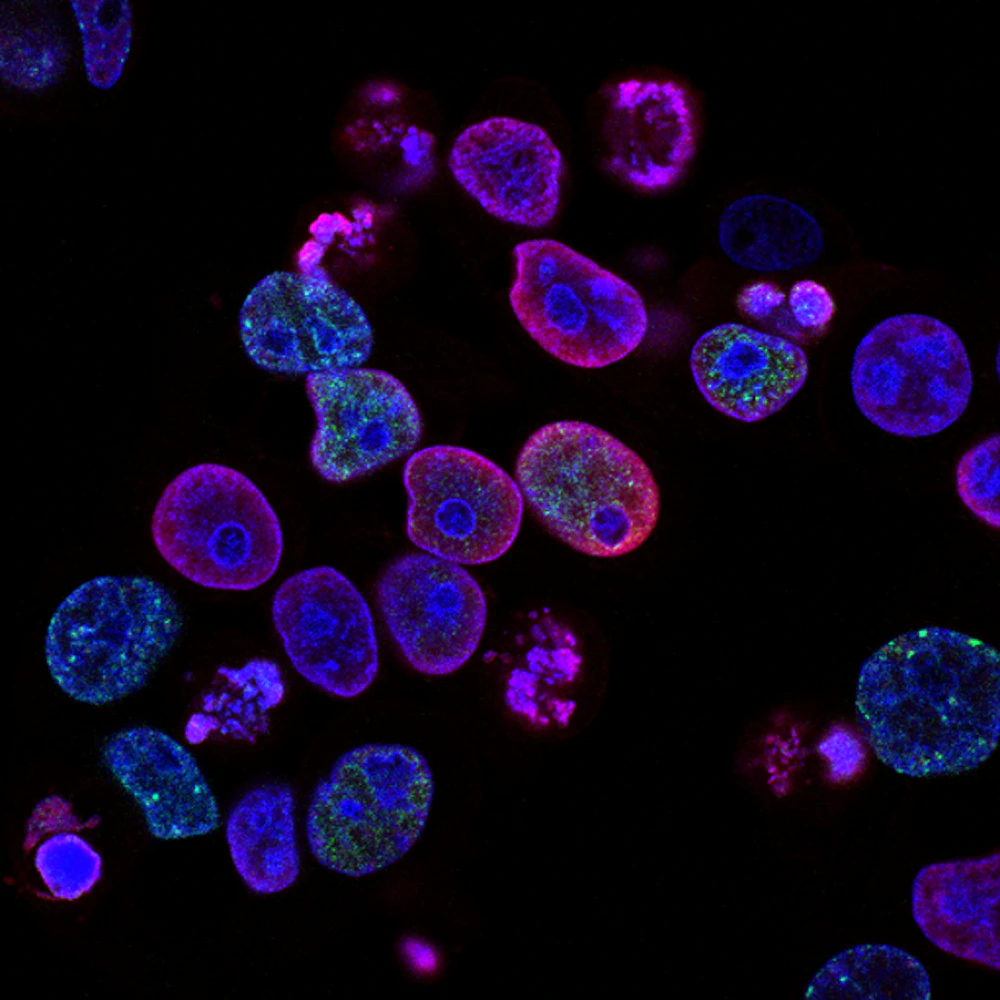
Demodex Mites and Inflammatory Responses
While eczema is fundamentally an immune-mediated barrier defect rather than a parasitic infestation, the presence of skin mites can exacerbate existing inflammation. In cases where a patient suffers from “mixed” skin presentations—where features of both rosacea and eczema overlap—ivermectin can be highly effective. By reducing the microbial load and suppressing the innate immune response, ivermectin helps stabilize the skin environment, potentially preventing the secondary infections that often plague eczema patients.
Understanding the Skin Microbiome
The skin microbiome is a delicate ecosystem. In individuals with atopic dermatitis, there is often a colonisation of Staphylococcus aureus and a lack of microbial diversity. Ivermectin’s role in modulating this environment is still being researched, but the reduction of mite-related irritation can, in theory, allow the skin barrier to heal more effectively without constant immunological provocation.
Identifying the Link Between Ivermectin and Eczema
When asking is ivermectin good for eczema, it is essential to distinguish between different types of dermatitis. For standard atopic dermatitis, ivermectin is rarely the first line of defense. However, for seborrheic dermatitis or patients with recalcitrant eczema that shows signs of mite-induced inflammation, topical ivermectin (often sold under the brand name Soolantra) has shown anecdotal and off-label success. Actionable insights for patients include identifying if their “eczema” is localized to the face and scalp, which might suggest a different underlying trigger than systemic atopy.
- Ivermectin is FDA-approved for rosacea and parasites, not primarily for atopic dermatitis.
- Its anti-inflammatory properties may benefit specific eczema phenotypes.
- Treatment is most effective when a secondary Demodex infestation is present.
- Topical application is preferred over oral administration for localized skin issues.
Comparing Ivermectin to Traditional Eczema Therapies
Traditional eczema management focuses on moisture retention and immune suppression. Topical corticosteroids are the “gold standard” but carry risks of skin thinning (atrophy) and tachyphylaxis. In contrast, ivermectin offers a different safety profile, focusing on microbial modulation and cytokine inhibition without the risk of skin thinning. The following table highlights the differences between these therapeutic approaches.
| Feature | Topical Ivermectin | Topical Corticosteroids | Calcineurin Inhibitors |
|---|---|---|---|
| Primary Function | Anti-parasitic/Anti-inflammatory | Broad Immune Suppressant | Selective T-cell Inhibitor |
| Long-term Use | Generally safe | Risk of skin atrophy | Generally safe |
| Best For | Mite-related inflammation | Acute flare-ups | Sensitive areas (face/folds) |
| Prescription Status | Required | Required (High potency) | Required |
Clinical Safety and Application Guidelines
Before considering whether ivermectin is appropriate for your condition, a formal diagnosis is mandatory. Eczema can often mimic other dermatological issues, and applying the wrong medication can lead to further irritation. Most clinical data suggests that if ivermectin is used for eczematous conditions, it should be the 1% topical cream. Consistent application is necessary, as results regarding inflammation reduction typically appear after 2 to 4 weeks of daily use.
| Application Metric | Recommendation |
|---|---|
| Frequency | Once daily (usually at night) |
| Dosage | Pea-sized amount for each facial zone |
| Common Side Effects | Mild burning, skin dryness, or itching |
| Duration | 12 weeks for a standard course |
It is also vital to note that ivermectin does not address the underlying genetic barrier defects inherent in atopic dermatitis. Patients must continue their moisturization regimen (emollients) even when using ivermectin. The goal of adding ivermectin to an eczema routine is to eliminate external triggers—like mites—that might be causing “flare-ups” that are resistant to steroids.
Frequently Asked Questions
Can Ivermectin cure eczema permanently?
No, eczema is a chronic genetic condition with no known permanent cure. Ivermectin can help manage symptoms by reducing inflammation and microbial triggers, but it does not change the skin’s underlying genetic predisposition to dryness and sensitivity.
Is oral ivermectin better than topical cream for skin rashes?
For localized skin conditions like eczema or rosacea, topical cream is generally superior. It delivers the medication directly to the affected area with minimal systemic absorption, reducing the risk of internal side effects while concentrating the anti-inflammatory benefits where they are needed most.
Can ivermectin be used on children with eczema?
Ivermectin is typically approved for individuals aged 18 and older for rosacea. While it has been used off-label in children for head lice and certain parasitic infections, its use for pediatric eczema must be strictly supervised by a pediatric dermatologist to ensure safety and proper dosing.
Will ivermectin make my eczema worse before it gets better?
Some patients experience a “die-off” reaction where the skin temporarily becomes more red or itchy as mites are eliminated. However, if severe irritation occurs, it may be an allergic reaction to the cream’s base ingredients, and the user should consult their physician immediately.
This article is written for educational purposes only and does not constitute medical advice. Always consult a licensed healthcare provider before starting any treatment. TexMed pharmacists are available for consultations via the online questionnaire process.
Leave a Reply