

Maintaining the physiological health of a poultry flock necessitates a rigorous biological security protocol and a sophisticated understanding of parasite management. While several proprietary treatments exist for avian health, many experienced keepers turn to ivermectin, a potent broad-spectrum antiparasitic agent, to control both internal and external infestations. Knowing how to use ivermectin for chickens effectively requires an understanding of its pharmacological properties as a macrocyclic lactone. This guide explores the systematic application of this endectocide, focusing on its efficacy against nematodes and arthropods such as the Northern fowl mite (Ornithonyssus sylviarum) and common poultry lice. Because ivermectin is not formally approved by the FDA for use in laying hens, its application is considered “off-label” under the Animal Medicinal Drug Use Clarification Act (AMDUCA). Consequently, poultry keepers must adhere to strict guidelines regarding dosage and withdrawal periods to ensure the safety of both the birds and the consumers of their eggs and meat. Mastery of these protocols ensures that your flock remains productive and free from the debilitating effects of parasitic burdens.
A Comprehensive Professional Guide on How to Use Ivermectin for Chickens
Understanding Ivermectin in Avian Medicine
Ivermectin functions by binding to glutamate-gated chloride channels in the nerve and muscle cells of invertebrates. This binding results in an increased permeability of the cell membrane to chloride ions, leading to hyperpolarization of the nerve or muscle cell, which causes paralysis and subsequent death of the parasite. In chickens, this mechanism is particularly effective against respiratory mites, intestinal roundworms, and scaly leg mites. However, because chickens have a high metabolic rate, the pharmacokinetics of the drug must be carefully managed to avoid toxicity.
It is crucial to recognize that ivermectin is highly lipophilic, meaning it tends to sequester in the fatty tissues and the yolk of developing eggs. This characteristic is why the drug is so effective, but it also dictates the necessity for a prolonged withdrawal period. Owners must consult with a veterinarian before initiating treatment to establish a legally compliant and clinically sound treatment plan tailored to their specific flock conditions and local regulations.
Application Methods and Protocols
There are three primary methods for administering ivermectin to poultry: topical (pour-on), oral, and injectable. The choice of method often depends on the type of parasite being targeted and the size of the flock. For external parasites like lice and mites, the pour-on method is frequently preferred due to its systemic absorption through the skin and direct contact with the pests.
Topical Pour-On Administration
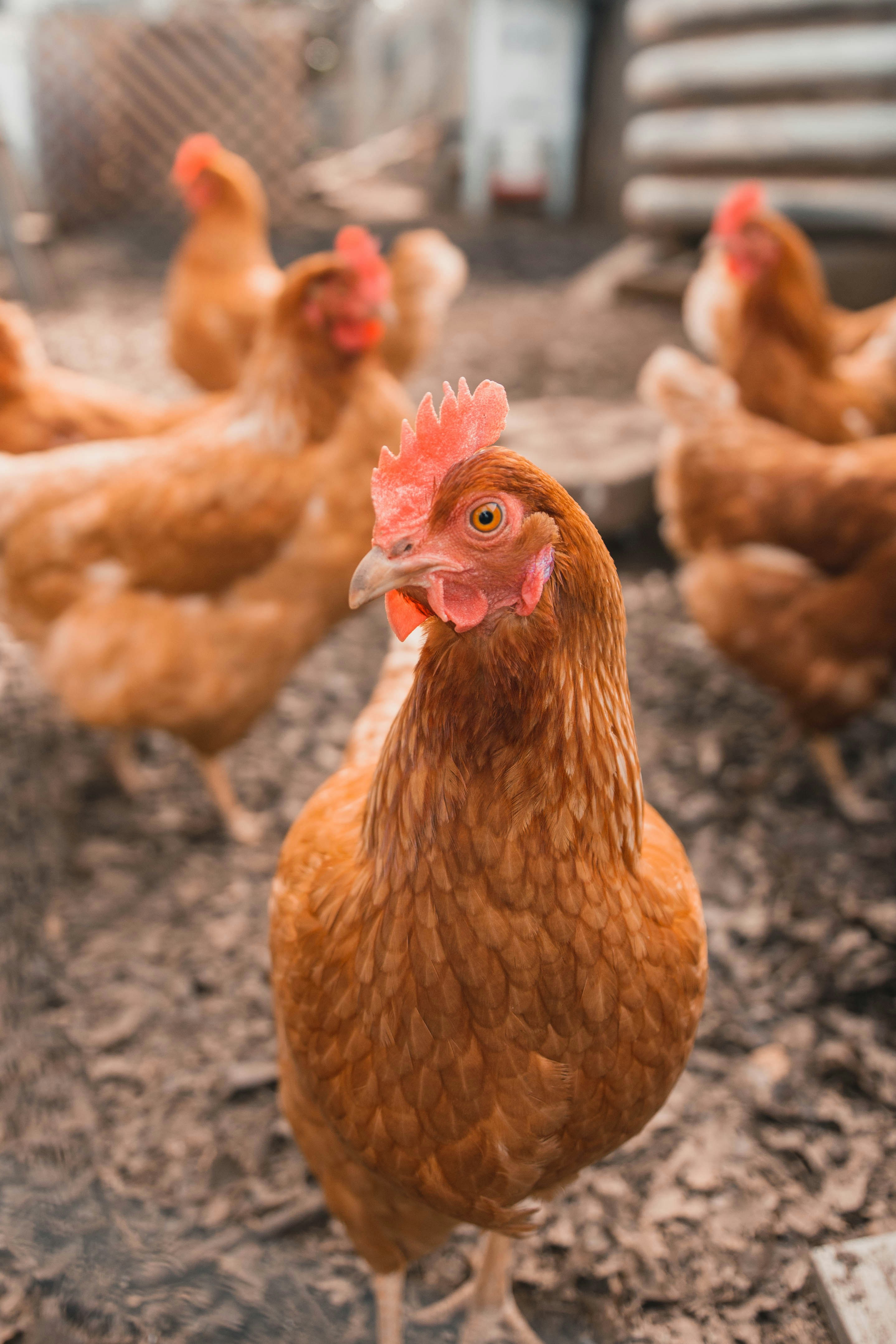
The pour-on method involving a 0.5% ivermectin solution is the most common off-label application for backyard flocks. Apply the solution directly to the skin at the base of the neck or under the wing, where blood vessels are close to the surface. It is vital to part the feathers completely to ensure the liquid contacts the dermis, as application to the feathers alone will result in therapeutic failure.
Dosage Accuracy and Safety Precautions
Determining the correct dosage is the most critical step in learning how to use ivermectin for chickens. Overdosing can lead to neurological symptoms in birds, such as lethargy, loss of balance, or tremors. Conversely, under-dosing contributes to the development of drug-resistant parasite populations, rendering future treatments ineffective.
Calculating the Micro-Dose
For most standard-sized chickens, the recommended topical dose of a 0.5% pour-on solution is approximately 0.25 to 0.5 milliliters per bird. Bantam breeds require a significantly reduced dose, typically around 0.1 milliliters. Using a graduated syringe without a needle is the most accurate way to measure these small volumes and ensure each bird receives the precise amount required for its body weight.
| Parasite Type | Ivermectin Efficacy | Primary Symptoms | Alternative Treatment |
|---|---|---|---|
| Northern Fowl Mite | High (Systemic) | Anemia, Feather Loss | Permethrin |
| Roundworms | High | Weight Loss, Diarrhea | Fenbendazole |
| Scaly Leg Mites | Moderate to High | Raised Leg Scales | Petroleum Jelly |
| Tapeworms | None | Visible Segments | Praziquantel |
Withdrawal Periods and Consumer Safety
Because ivermectin is not labeled for use in birds producing eggs for human consumption, a voluntary withdrawal period is mandatory. During this time, eggs must be discarded and cannot be sold or consumed. The length of this period is a subject of debate among avian specialists, but a standard conservative approach is often recommended.
| Formulation | Application Path | Egg Withdrawal | Meat Withdrawal |
|---|---|---|---|
| 0.5% Pour-On | Topical (Skin) | 14–21 Days | 28 Days |
| 1.0% Injectable | Oral/Injectable | 21 Days | 28 Days |
Key Takeaways
- Ivermectin is an off-label treatment for poultry and should be used under veterinary guidance.
- Topical application is most effective for simultaneous control of mites, lice, and internal nematodes.
- Precise dosing is mandatory to prevent neurological toxicity and parasite resistance.
- A minimum 14-day egg withdrawal period is widely practiced by the poultry community to ensure food safety.
How often should I treat my chickens with ivermectin?
Treatment frequency depends on the parasite’s life cycle. For mites and lice, it is common to treat once and then repeat the dose exactly 10 to 14 days later to kill newly hatched parasites that were in the egg stage during the first application.
Can ivermectin be added to the flock’s drinking water?
While some formulations are water-soluble, ivermectin is generally hydrophobic and does not mix well with water. This can lead to uneven dosing, where some birds receive too much and others too little. Direct oral or topical application is far more reliable for ensuring therapeutic levels.
What are the signs of ivermectin toxicity in chickens?
Signs of toxicity usually appear within hours of application and include ataxia (stumbling), extreme lethargy, or a “comatose” state. If toxicity is suspected, ensure the bird is kept hydrated and isolated from the flock while the drug metabolizes out of its system.
This article is written for educational purposes only and does not constitute medical advice. Always consult a licensed healthcare provider before starting any treatment. TexMed pharmacists are available for consultations via the online questionnaire process.
Leave a Reply